

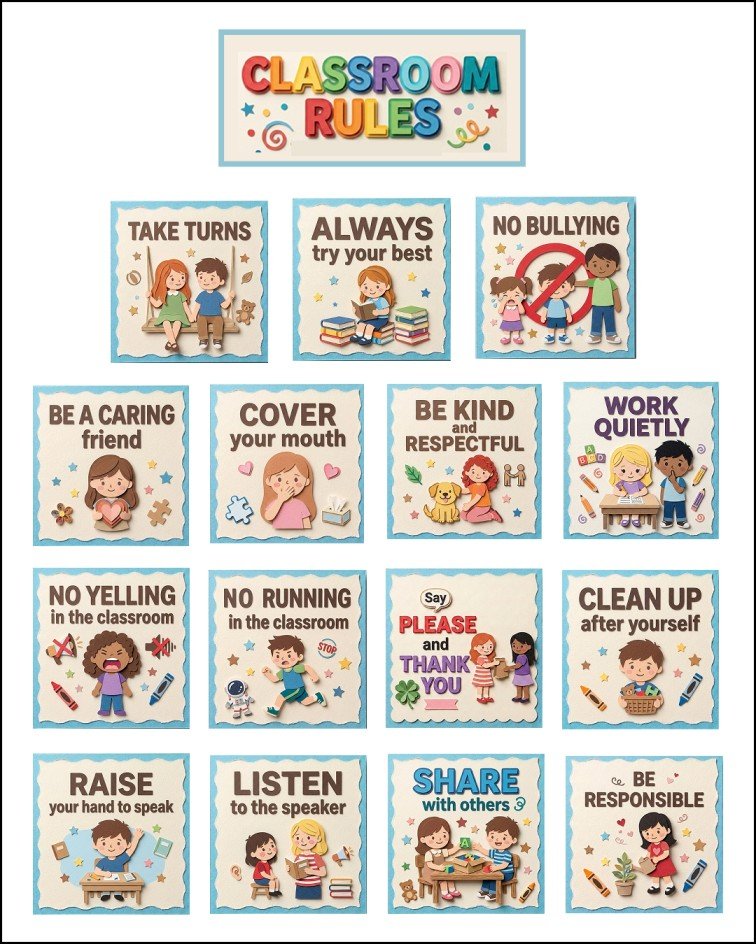
Classroom rules help establish a safe, organized, respectful, and pleasant environment where children can learn with confidence. Young students require clear, simple reminders regarding how they should behave, communicate, work, and interact with their classmates. An excellent and visually appealing display of classroom rules not only makes these expectations easier to understand but also adds color and a unique touch to the classroom atmosphere.
For this project on classroom rules, I have created a set of 15 handmade signs. Each rule is presented on a separate, colorful board featuring images that are appealing and appropriate for children, making the display both educational and decorative.
These classroom rules can be utilized in two different ways. Teachers can print out the full-color versions and display them immediately, or they can recreate them as handmade displays using paper, cardboard, craft supplies, and their own creativity.
I have also organized these rules into separate printable PDF files so that each rule can be downloaded and printed individually. Additionally, black-and-white versions are available for children who enjoy coloring and decorating their classroom rules themselves.
Why Classroom Rules Are Important
Many children gather in a single classroom, and each student has different habits, a unique personality, and a distinct style of communication. Simple classroom rules provide everyone with a shared understanding of what is expected of them.
Instead of constantly correcting students, teachers can use visual aids during school hours to gently remind them of the rules.
Images can make understanding rules much easier, especially for young children. A student might not remember a long verbal explanation, but a colorful board featuring an image of children taking turns can instantly remind them of what they need to do.
- Respect teachers and classmates
- Listen carefully
- Take responsibility for your tasks
- Work together
- Keep the classroom clean
- Use gentle and polite language
- Stay safe
- Participate positively
- Adopt good habits in the classroom
The goal is not to fill the classroom with rigid instructions. Instead, classroom rules should help children understand that learning, good conduct, respect, and responsibility go hand in hand.
15 Simple Classroom Rules
Here are the 15 rules included in this classroom rules collection.
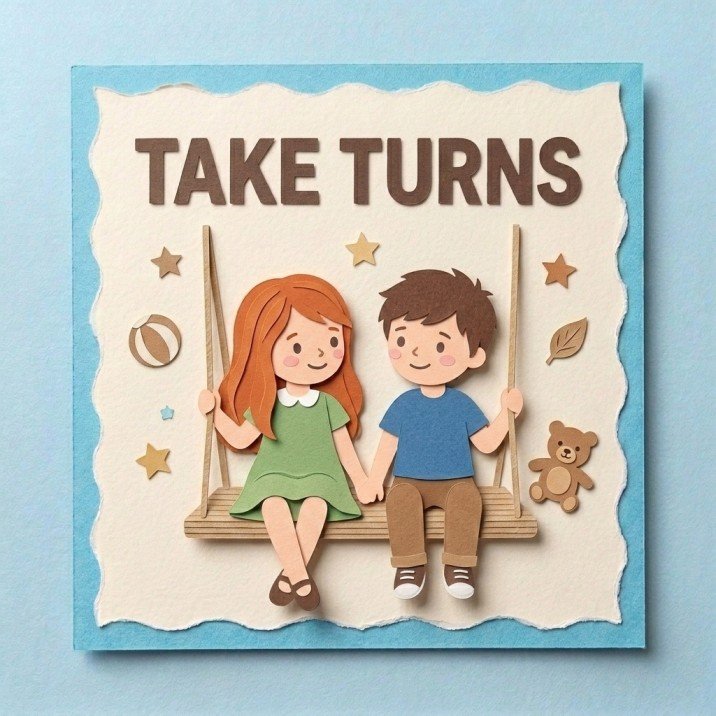
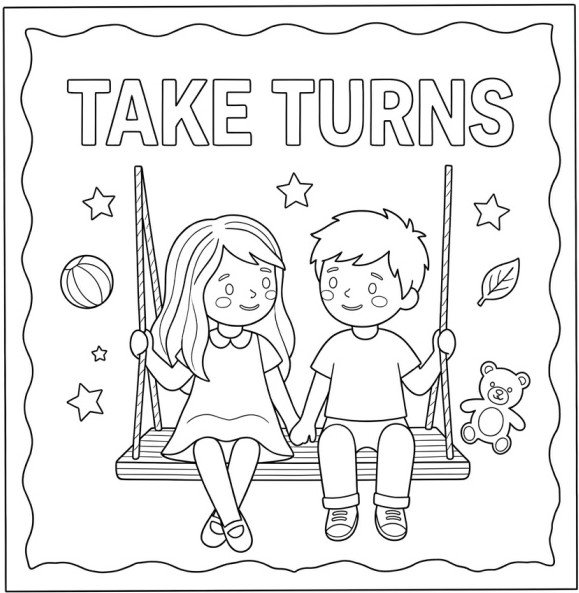
1. Taking Turns
Taking turns is an important social skill for young children. Whether students are answering a question, playing a game, using classroom materials, or participating in an activity, they need to understand that everyone should get a chance.
A simple reminder to “take turns” encourages patience and helps prevent conflicts among classmates.
This illustrated board shows children participating in an activity, making it easier for young students to understand this rule.
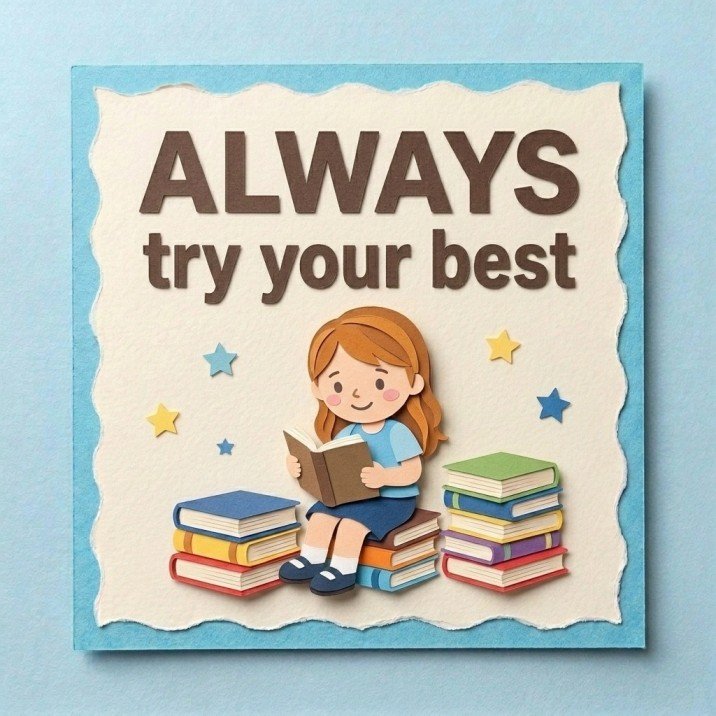
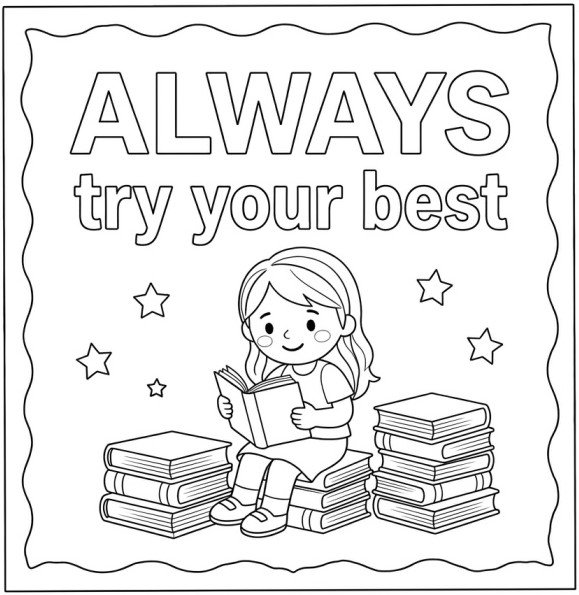
2. Always Try Your Best
Children do not always get everything right on the very first attempt. This classroom principle encourages students to focus on their effort rather than on perfection.
Teachers can remind students that making mistakes is a natural part of the learning process. What matters is persisting in their efforts, seeking help when needed, and doing their very best.
This principle is particularly useful for fostering a positive and growth-oriented mindset in the classroom.
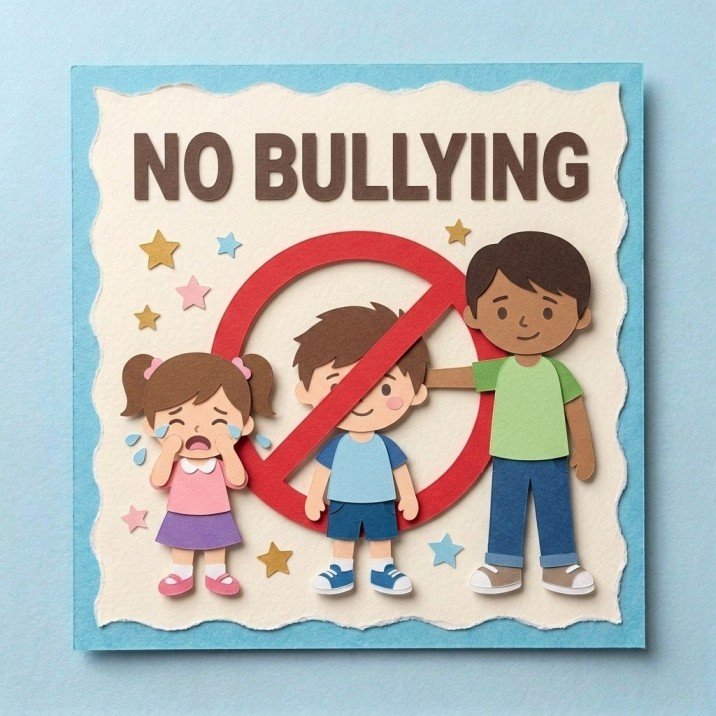
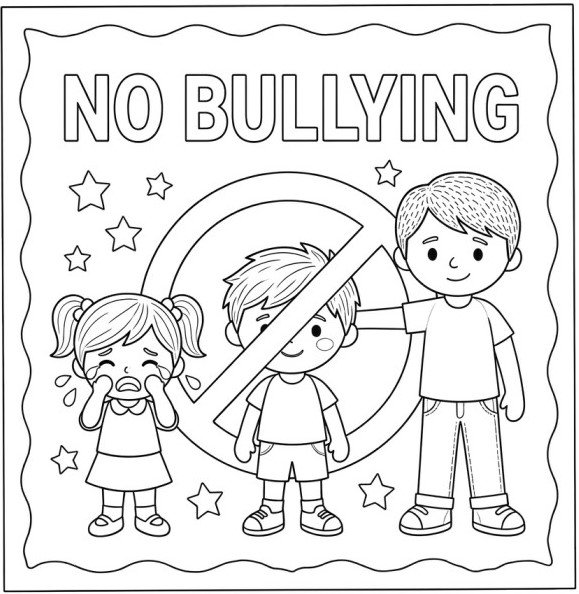
3. No bullying
Every child should feel safe and respected at school.
The “No Bullying” classroom rule allows teachers to talk to students about kindness, inclusion, and treating others with respect.
This sign can also serve as a starting point for classroom discussions about what bullying looks like, how hurtful behavior affects others, and why students should tell a trusted adult if they need help.
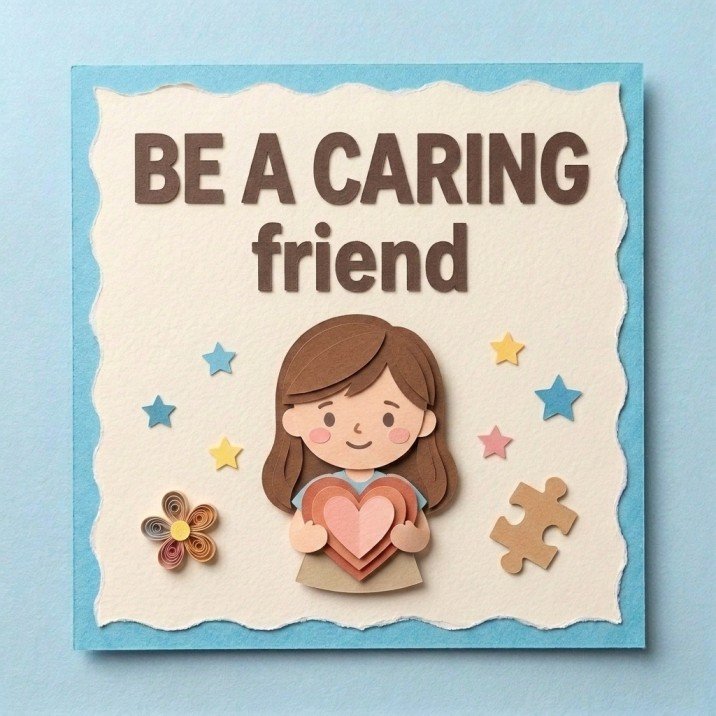
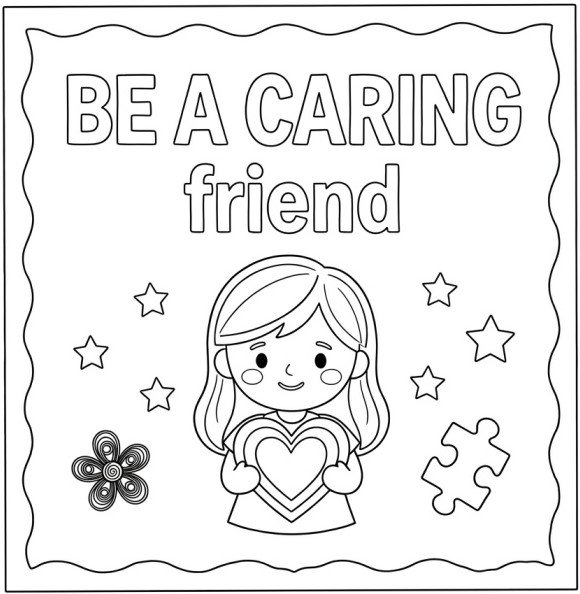
4. Be a caring friend
Friendship is an important part of a child’s school experience.
This principle encourages students to be mindful of when someone needs help, to include others in activities, to share, and to show kindness.
A caring classroom is one where students feel comfortable and at ease asking questions, making mistakes, and participating in activities—without the fear of being mocked.
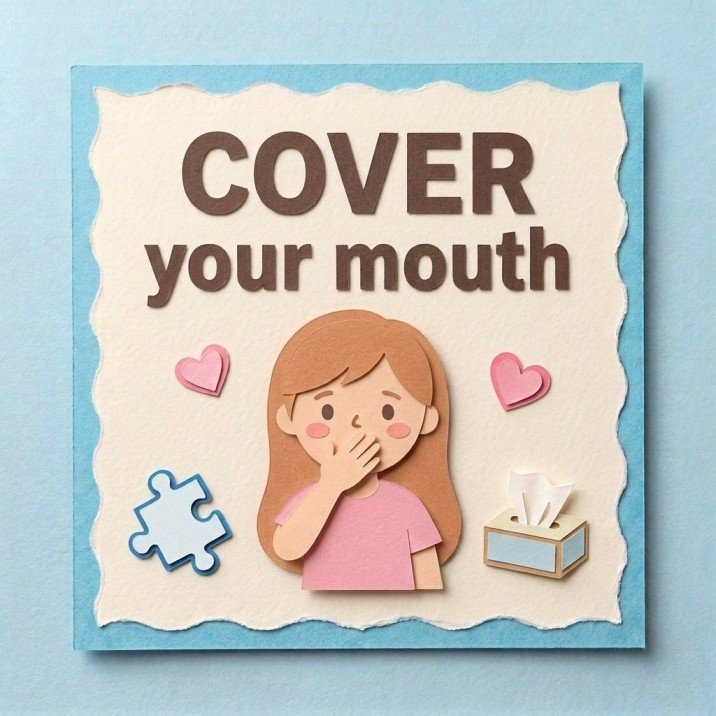
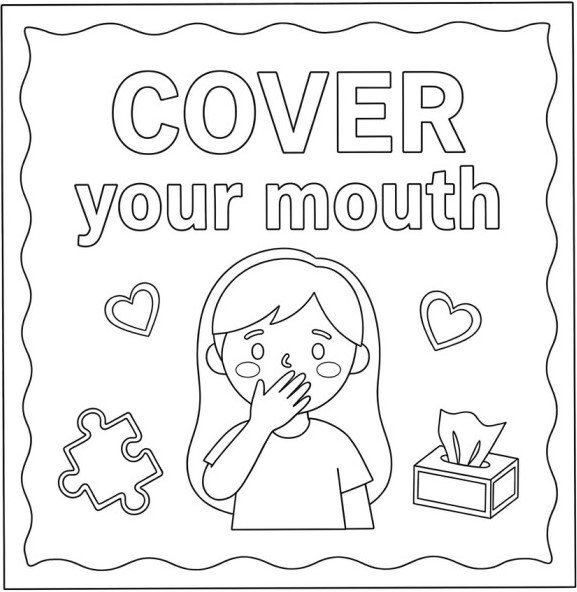
5. Cover Your Mouth
Teaching basic hygiene habits is an important part of classroom routines.
Children can be reminded to cover their mouths when coughing or sneezing and to use tissues properly. This simple habit helps foster an awareness among students regarding personal hygiene and consideration for others.
Thanks to its colorful illustration, this rule is particularly suitable for preschool and elementary classrooms.
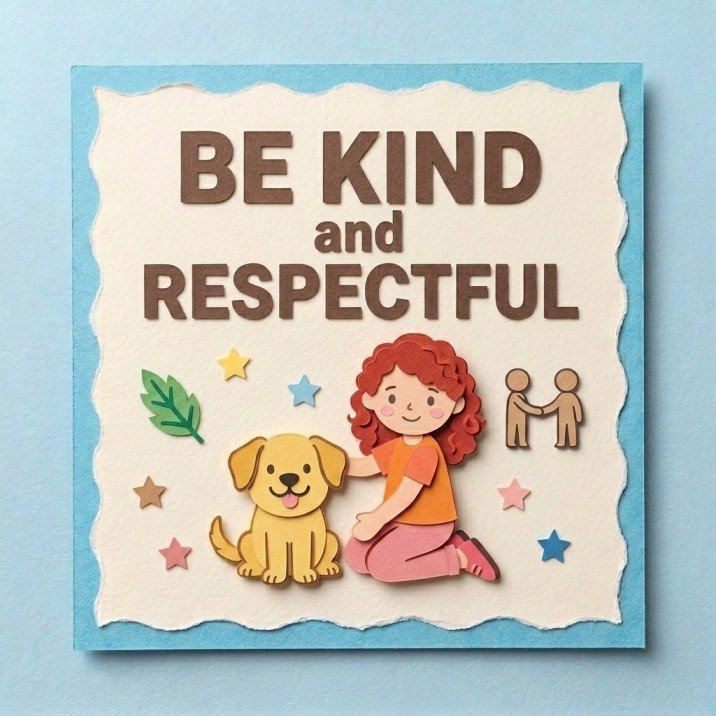
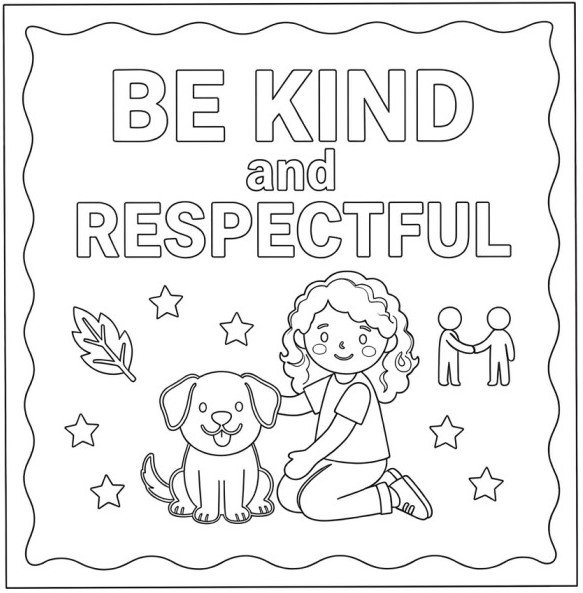
6. Be Kind and Respectful
Kindness and respect are among the most important established rules for the classroom.
Students should learn to respect their classmates, teachers, classroom helpers, and school property.
This rule applies to many everyday situations, including using polite language, listening attentively while others are speaking, respecting others’ personal space, and treating others fairly.
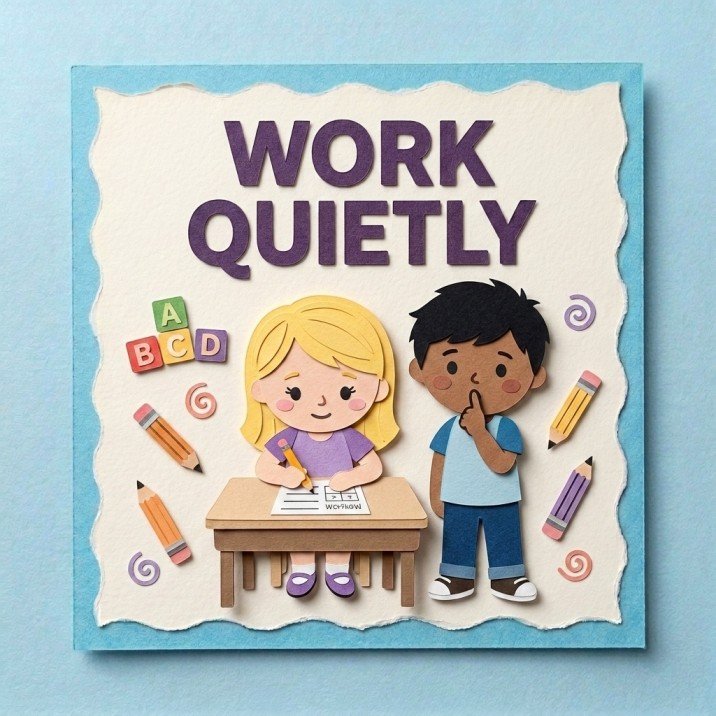
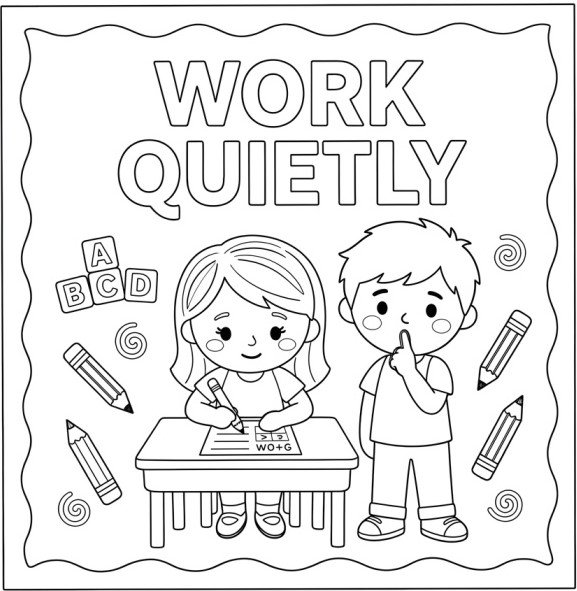
7. Work Quietly
A calm classroom environment can make it easier for students to focus.
“Work quietly” does not necessarily mean that students must remain completely silent all day. Instead, it serves as a reminder for them to maintain an appropriate volume level during independent work.
Teachers can introduce different volume levels for various activities and clarify when students are permitted to speak with their classmates.
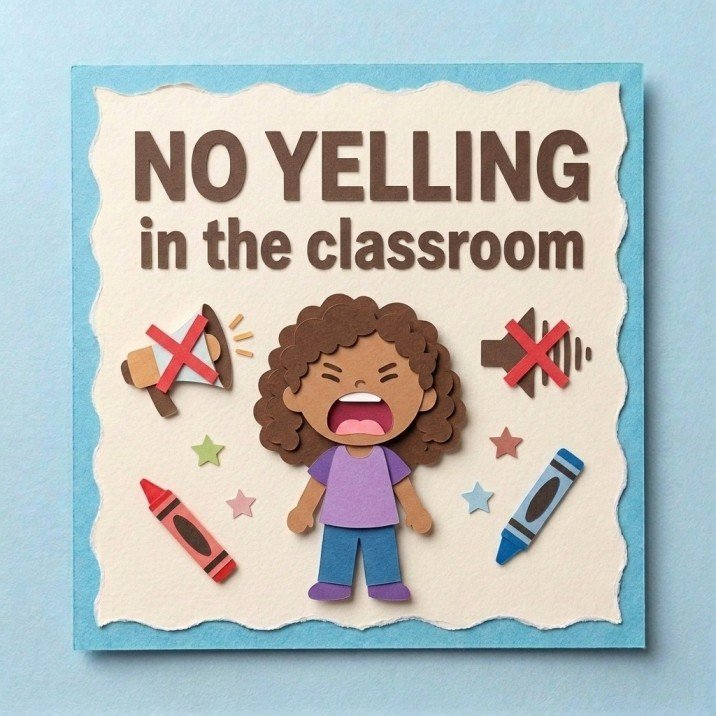
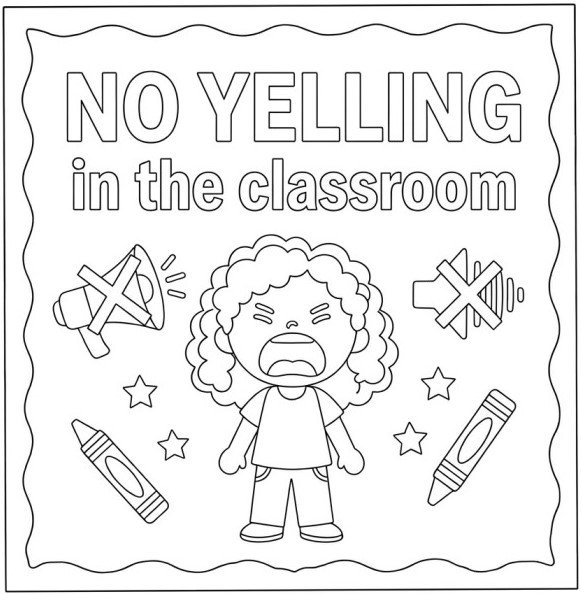
8. No Yelling in the Classroom
Children may become excited during activities, but loud shouting can disturb other students.
This rule encourages students to use a quiet and calm voice inside the classroom.
It can also be linked to the previous rule, “Work Quietly,” to teach students that voice levels should vary depending on the situation.
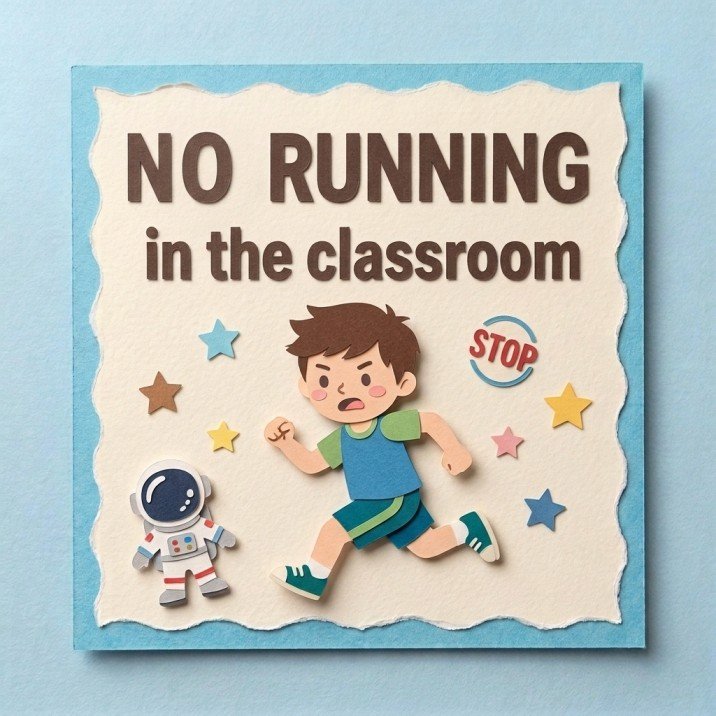
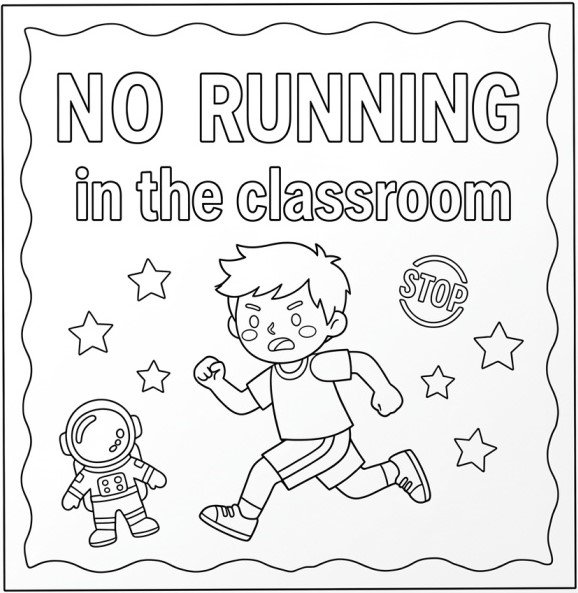
9. No Running in the Classroom
Safety should always be a key part of classroom management.
Students can be reminded to walk rather than run inside the classroom. Running between desks can lead to accidents, especially when children are carrying books, art supplies, or other items.
This simple visual rule serves as an easy reminder, eliminating the need for the teacher to repeat instructions constantly.
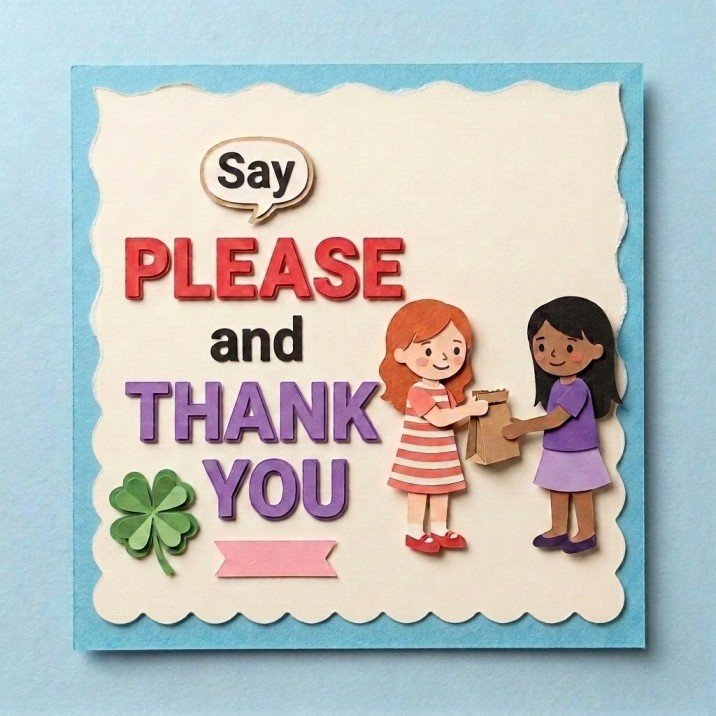
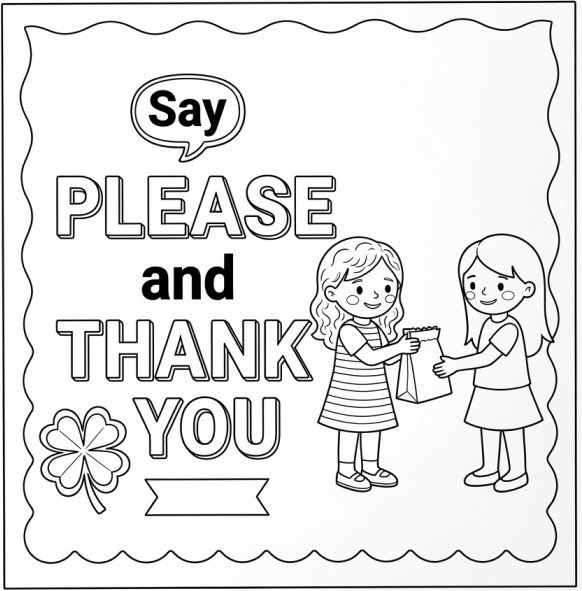
10. Say Please and Thank You
Good manners are simple yet effective.
Encouraging children to say “please” when asking for something and “thank you” when receiving help or an item can help make the classroom environment more polite.
This also presents an excellent opportunity to teach children that a polite manner of speaking is part of being a good friend and classmate.
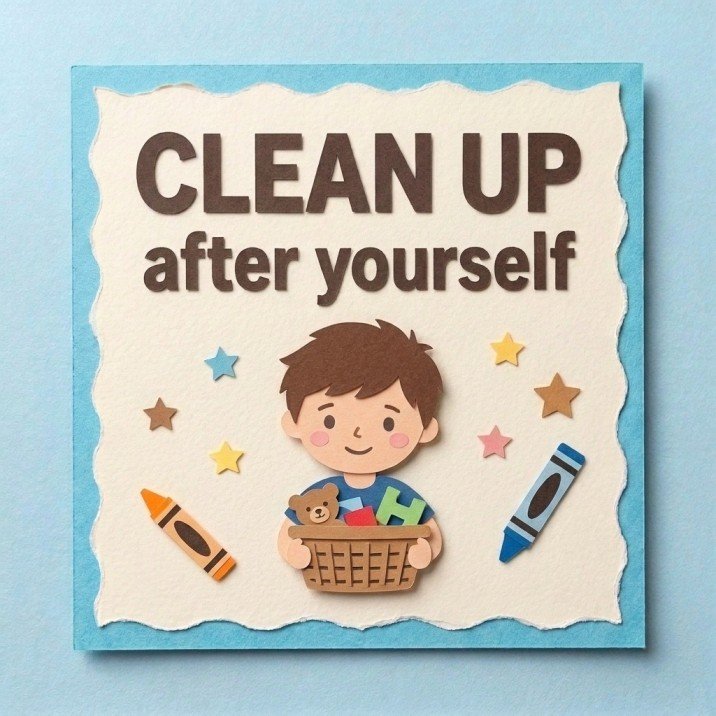
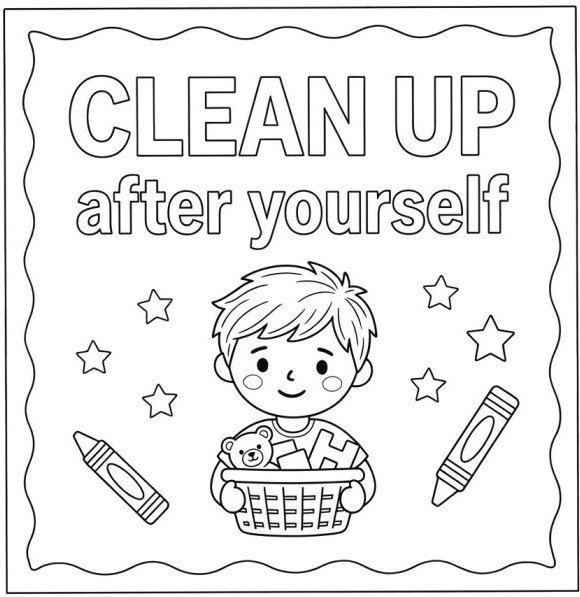
11. Clean Up After Yourself
Children should learn to take responsibility for the materials and spaces they use.
After an art project, craft activity, study session, or classroom game, students can be encouraged to put away the materials they used and clean up their workspace.
This practice is particularly useful in classrooms where children regularly work with crayons, paper, glue, books, toys, or craft supplies.
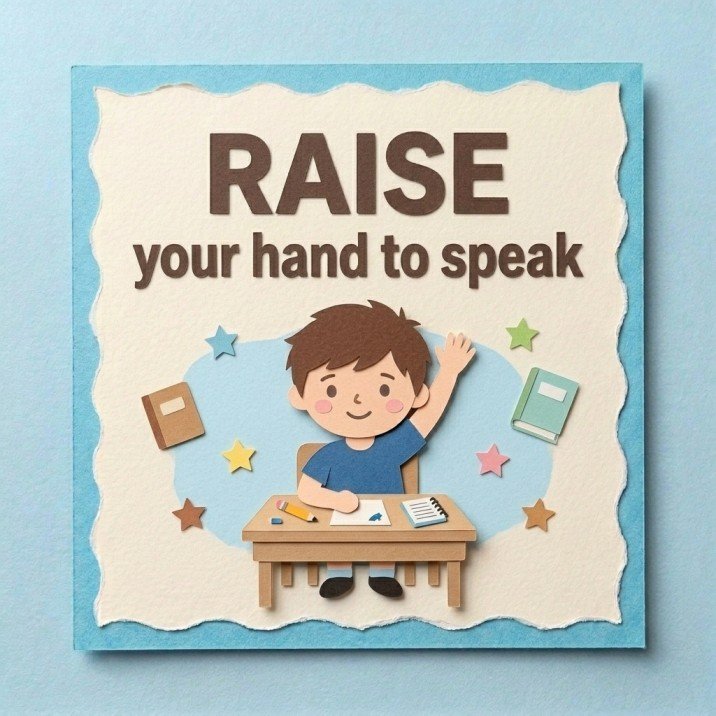
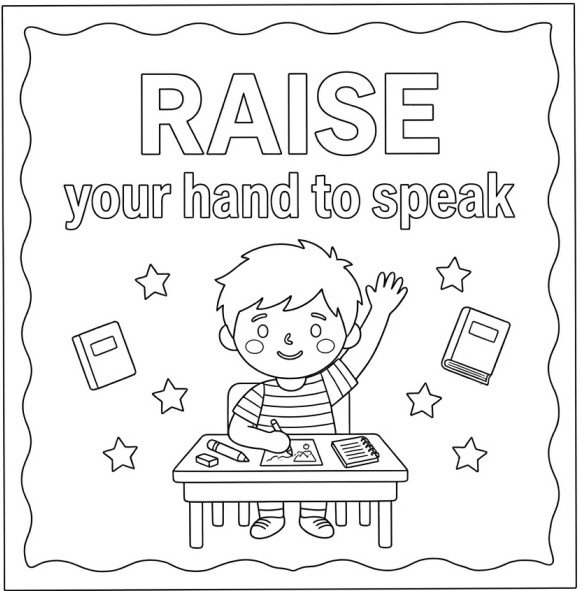
12. Raise Your Hand to Speak
Raising hands during class discussions helps students take turns speaking.
This allows everyone to participate and prevents situations where multiple children might speak at the same time.
Teachers can also explain that raising one’s hand is a way of showing respect to the person currently speaking.
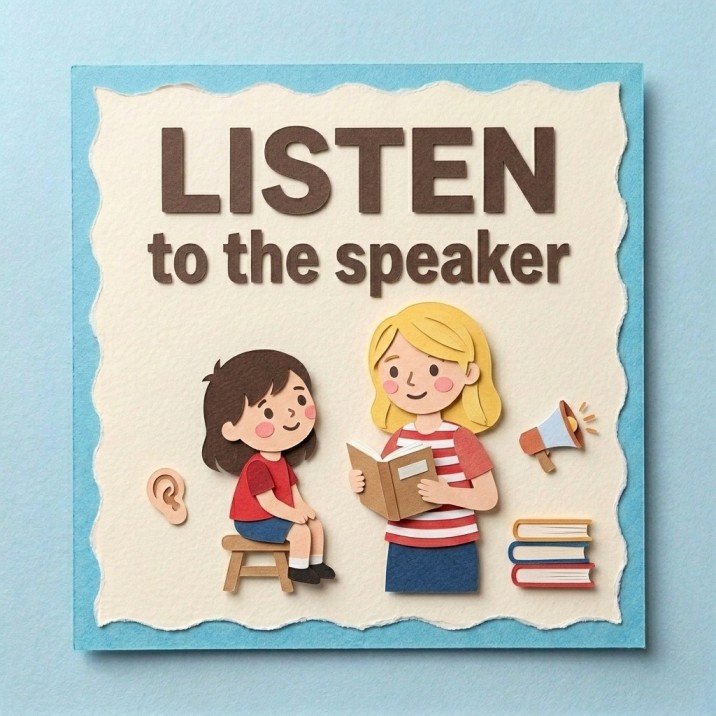
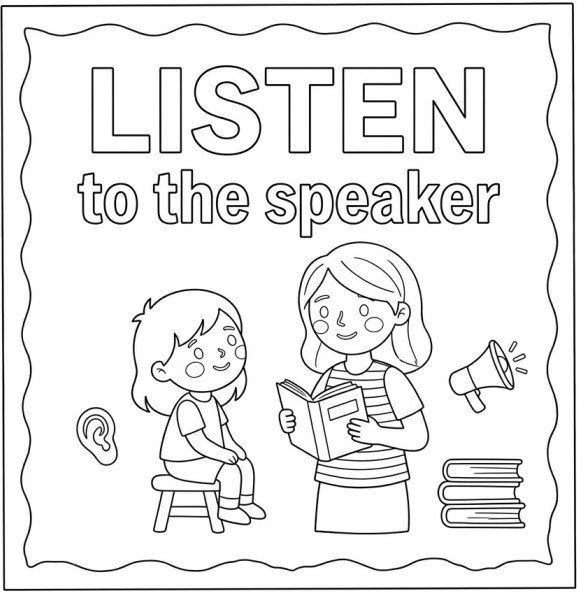
13. Listen to the Speaker
Good listening is an essential learning skill.
Whether the speaker is the teacher, another student, a guest, or a group member, children should practice paying attention and allowing the speaker to finish.
This rule works particularly well alongside “Raise Your Hand to Speak” because both rules teach students how to participate respectfully in conversations.
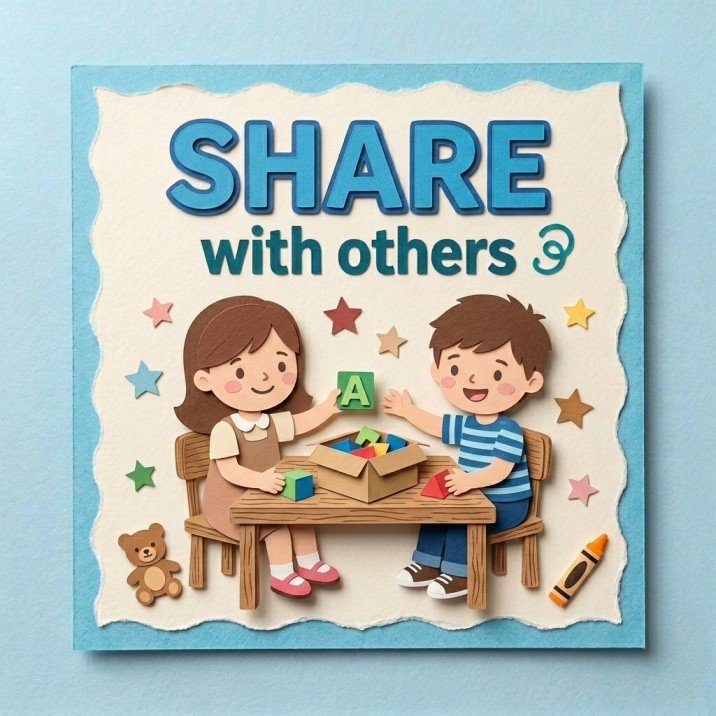
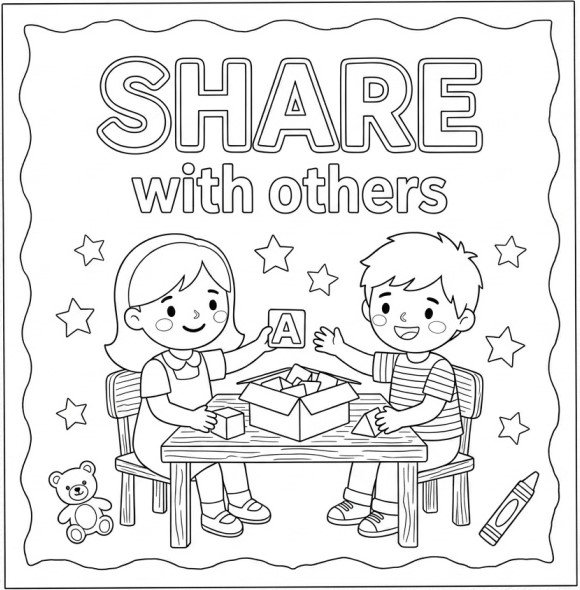
14. Share with Others
Sharing can sometimes be difficult for young children, especially when they are excited about a favorite toy, book, or classroom item.
A visual reminder can encourage students to share, take turns, and work collaboratively.
This approach is particularly useful for preschool and early primary classes, where collaborative activities are a regular part of the school routine.
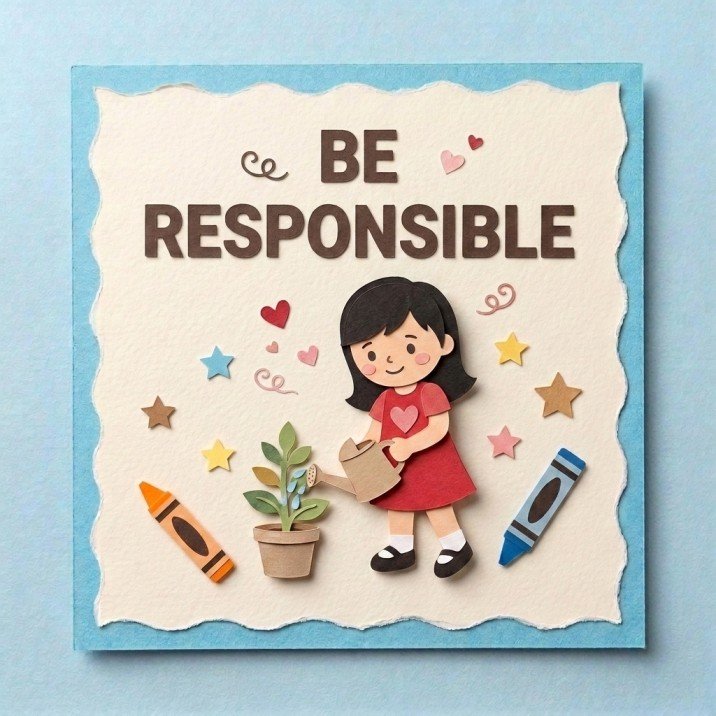
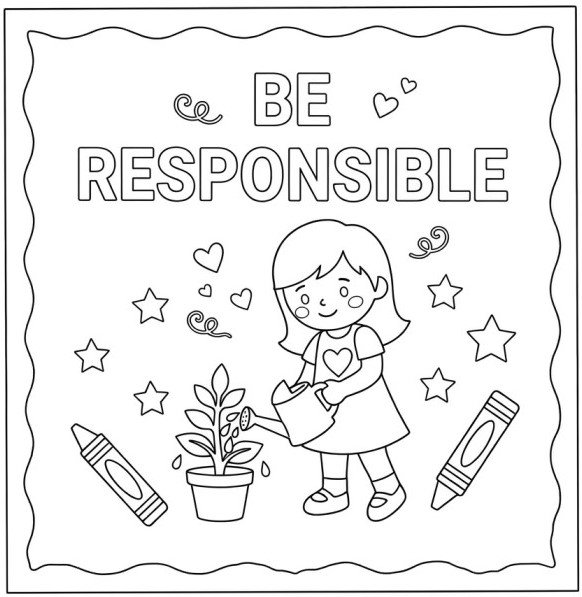
15. Be Responsible
Responsibility is a skill that develops gradually.
Students can demonstrate and practice responsibility by taking care of their belongings, completing classroom tasks, returning used materials, tidying their workspace, and adhering to classroom routines.
“Be responsible” is a broad principle that can help put various other classroom expectations into practice.
Free Classroom Rules PDF – Colorful Printables Ready to Print
Use these free PDF printables to quickly and easily create a classroom rules display. This complete set includes 15 colorful classroom rules that are ready to print and display.
Simply download the PDF, print all 15 rule cards or signs, and arrange them to create an attractive and engaging classroom display. There is no need for you to design or create these signs yourself—this printable set is ready for immediate use in the classroom.
The colorful designs make it easy for students to view and understand the rules while adding a cheerful touch to your classroom walls. You can print this complete set on standard paper or cardstock, depending on how you wish to display them.
This free, printable resource featuring classroom rules offers a simple, practical, and colorful way to establish clear expectations right from the start of the school year and foster a positive classroom environment.
Displaying the Printed Rules
The colorful classroom rules can be displayed in various ways.
You can:
- Mount them on the classroom wall.
- Arrange them on a bulletin board.
- Place them near the teacher’s desk.
- Display them by the classroom entrance.
- Post specific rules near relevant activity areas.
- Laminate them for long-term use.
- Mount them on colorful cardstock.
- Add borders or decorative elements around them.
The example shown in the images uses a simple grid layout. The colorful chairs placed beneath the display make the space particularly cheerful and well-suited for young children.
Free Black and White Classroom Rules Coloring Pages
Don’t have a color printer? No problem!
You can also print these classroom rules as free black-and-white PDF coloring sheets. Teachers can print the complete set and color them personally, or turn the coloring process into a fun classroom activity by involving the students.
Once the coloring is finished, display all 15 classroom rules on the wall to create a unique and colorful exhibit. This is a simple, cost-effective way to involve students in decorating the classroom while simultaneously familiarizing them with the rules.
No Printer? Turn Classroom Rules into a Fun Paper Craft
Don’t have a printer? You can still use these classroom rules to create fun and creative classroom displays. Use the rule designs as inspiration and recreate them using colored paper, cardstock, construction paper, markers, scissors, and other craft supplies.
Teachers can create the 15 classroom rules by hand or turn the process into a creative activity by having students help cut out the signs, write the lettering, decorate, and assemble the pieces. Once finished, display all the handmade rules together to create a colorful DIY classroom rules wall display.
This is an excellent way to save on printing costs while also allowing teachers and students to collaborate and add a personal touch to the classroom.
You can recreate each sign using the following materials:
- Colored paper
- Cardstock
- Scrapbook paper
- Foam sheets
- Cardboard
- Paint
- Markers
- Crayons
- Colored pencils
- Patterned paper
- Decorative borders
- Stickers
- Buttons
- Ribbons
- Small craft embellishments
For a handmade version, you can retain the original text while creating your own backgrounds, lettering, borders, and images.
This option is ideal for teachers and creative parents who enjoy making their own classroom decorations.
Final Thoughts
A classroom rules display doesn’t have to be dull or overly formal. With colorful images, hand-drawn details, and simple, child-friendly messages, classroom rules can become an engaging part of your classroom décor.
This collection of 15 classroom rules combines key expectations with an attractive, hand-drawn style. You can use the ready-made color versions for a quick and easy display, recreate them as a DIY project, or give children black-and-white coloring pages to customize in their own unique way.
Whether you are preparing a classroom for the new academic year, decorating a preschool, setting up a home-schooling space, or simply refreshing the atmosphere of an existing classroom, these free printable classroom rules offer an easy way to display expectations attractively and prominently.
Most importantly, classroom rules help children understand that an excellent classroom is built upon the foundations of kindness, respect, cooperation, responsibility, and a passion for learning.



Pingback: Library Rules: A Guide with Creative Handmade Posters - 1thousandideas